
The Benefits of Thermal Imaging Surveys and How They Are Conducted
Updated: May 7, 2025
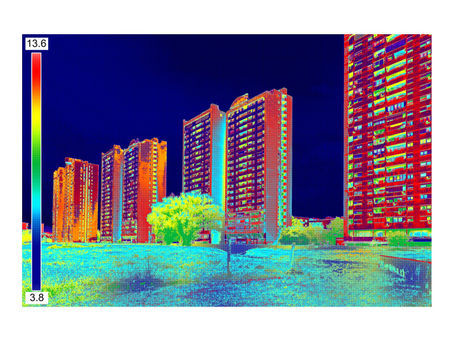
In today’s construction and building maintenance industries, ensuring the highest standards of energy efficiency, safety, and structural integrity is paramount. One advanced technology that has become indispensable in achieving these standards is thermal imaging.
Thermal imaging surveys offer a non-invasive, highly effective means of diagnosing and addressing various issues within a building. In this article, we delve into the benefits of thermal imaging surveys, explain how they are conducted, and highlight the significant impact they can have on building maintenance and efficiency.
Understanding Thermal Imaging
Thermal Imaging, also known as infrared thermography, uses infrared cameras to detect temperature variations on the surface of objects. These cameras produce images, known as thermograms, which display temperature differences through a range of colors. Warmer areas appear in shades of red, orange, and yellow, while cooler areas are shown in blue and green.
Benefits of Thermal Imaging Surveys
1 - Early Detection of Issues
Thermal imaging surveys can detect a wide array of issues early, including:
• Insulation Deficiencies: Identifying areas with insufficient or damaged insulation helps improve energy efficiency and reduce utility costs. Poor insulation can lead to significant energy losses, particularly in older buildings, and addressing these issues early can lead to substantial savings.
• Moisture Intrusion: Detecting moisture behind walls, under floors, or in roofs can prevent mold growth and structural damage. Moisture issues can be particularly challenging to detect without thermal imaging, as they often occur behind surfaces that are not readily visible.
• Electrical Faults: Identifying overheating electrical components can prevent potential fire hazards and equipment failure. Electrical faults can pose serious safety risks, and thermal imaging allows for the early detection of problems that could lead to more significant issues if left unaddressed.
• Structural Defects: Thermal imaging can reveal hidden structural issues such as cracks, voids, and delaminations that are not visible to the naked eye. Early detection of structural problems can prevent costly repairs and ensure the longevity and safety of the building.
2 - Energy Efficiency
By pinpointing areas of heat loss and poor insulation, thermal imaging surveys help in optimizing the energy efficiency of a building. This leads to lower energy consumption, reduced heating and cooling costs, and contributes to a more sustainable environment. Buildings that are more energy-efficient not only save money but also reduce their carbon footprint, making thermal imaging a valuable tool in promoting environmental sustainability.
3 - Non-Invasive and Non-Destructive
One of the significant advantages of thermal imaging is that it is non-invasive and non-destructive. This means that inspections can be carried out without causing any damage to the building’s structure or disrupting its occupants. Traditional inspection methods often require drilling, dismantling, or other invasive procedures, which can be costly and inconvenient. Thermal imaging, by contrast, provides a comprehensive assessment without any physical intrusion.
4 - Comprehensive Documentation
Thermal imaging provides detailed visual evidence of a building’s condition. The thermograms and reports generated during a survey offer comprehensive documentation that can be used for maintenance planning, insurance claims, and compliance with building codes and standards. This documentation is invaluable for property owners, facility managers, and contractors, as it provides a clear and objective record of the building’s condition.
5 - Enhanced Safety
By identifying potential hazards such as electrical overheating and structural weaknesses, thermal imaging surveys enhance the safety of buildings, protecting both occupants and property. Safety is a critical concern for building owners and managers, and thermal imaging provides a proactive means of addressing potential risks before they become serious problems.
How Thermal Imaging Surveys Are Conducted
1. Preparation and Planning
The first step in conducting a thermal imaging survey is thorough planning. This involves understanding the specific needs and objectives of the survey, such as identifying energy losses, detecting moisture, or checking electrical systems. The surveyor will also consider factors like weather conditions and the time of day, as these can influence thermal readings. Before the survey begins, the surveyor will conduct a preliminary assessment of the building to identify key areas of focus. This might include reviewing building plans, consulting with the property owner or manager, and setting specific goals for the survey.
2. Equipment Setup
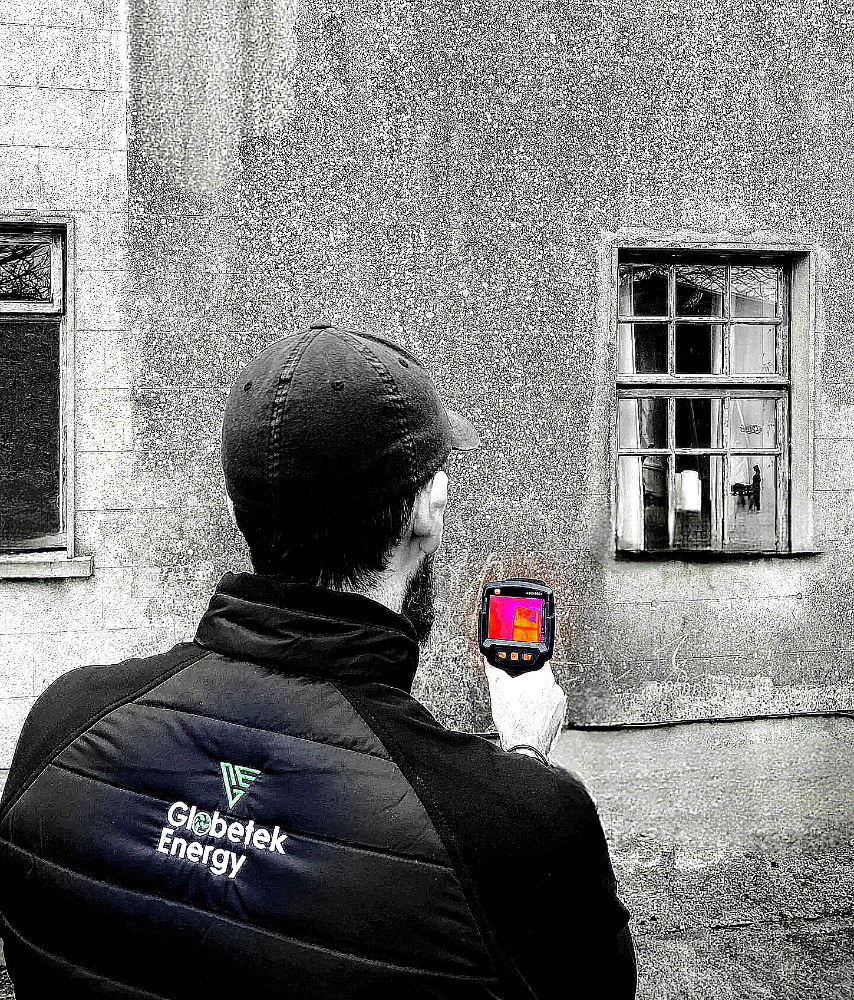
Thermal imaging surveys require specialized infrared cameras capable of capturing detailed thermographic images. The surveyor ensures that the equipment is properly calibrated and that all necessary settings are adjusted based on the survey’s objectives. High-quality infrared cameras are essential for obtaining accurate and reliable results. The surveyor may also use additional tools and equipment, such as moisture meters or electrical testers, to supplement the thermal imaging data. This comprehensive approach ensures that all potential issues are thoroughly investigated.
3. Conducting the Survey
During the survey, the thermal imaging camera is used to scan the building’s surfaces. The surveyor carefully examines walls, roofs, floors, electrical systems, and other critical areas. It’s essential to conduct the survey under appropriate conditions to avoid misleading results. For instance, thermal surveys aimed at detecting heat loss are often conducted in colder weather to maximize temperature differentials. The surveyor will systematically scan each area, capturing thermographic images and noting any anomalies. This process requires a high level of expertise, as interpreting thermal images accurately involves understanding how different materials and environmental conditions affect temperature readings.
4. Data Analysis
Once the thermal images are captured, the surveyor analyses the data to identify anomalies. These anomalies are areas that exhibit unexpected temperature variations, which could indicate issues like insulation gaps, moisture intrusion, or electrical faults. The surveyor uses their expertise to interpret the thermograms accurately and determine the underlying causes of the anomalies. Data analysis is a critical step in the thermal imaging process, as it transforms raw thermal data into actionable insights. The surveyor will often use specialized software to enhance and analyse the images, providing a detailed assessment of the building’s condition.
5. Reporting
The final step is to compile a detailed report that includes the thermographic images, findings, and recommendations. This report provides clear documentation of the building’s condition and outlines any necessary corrective actions. The report is an invaluable tool for property owners, facility managers, and maintenance teams, guiding them in making informed decisions about repairs and improvements.
The report will typically include:
• Thermographic Images: High-resolution images that clearly show temperature variations and anomalies.
• Analysis and Interpretation: Detailed explanations of the findings, including the potential causes of any issues detected.
• Recommendations: Specific recommendations for addressing identified problems, including suggested repairs or further investigations.
• Conclusion: A summary of the survey results and an overall assessment of the building’s condition.
Thermal imaging surveys are a powerful tool for maintaining and improving the performance, safety, and efficiency of buildings. By providing early detection of issues, enhancing energy efficiency, and offering non-invasive diagnostics, thermal imaging helps save costs and ensures the longevity of building structures. As experts in thermal imaging surveys, we are dedicated to helping you uncover hidden problems and achieve the highest standards of building performance. In an era where energy efficiency and sustainability are increasingly important, thermal imaging surveys offer a proactive and cost-effective solution. By identifying and addressing issues early, property owners can reduce energy costs, improve occupant comfort, and extend the lifespan of their buildings. Additionally, the non-invasive nature of thermal imaging makes it an attractive option for routine maintenance and inspections, minimizing disruption and preserving the integrity of the building. Contact us today to learn more about our thermal imaging survey services and how we can assist you in safeguarding your property. Whether you are dealing with a residential, commercial, or industrial building, our experienced team is ready to provide the expertise and technology needed to ensure your property remains safe, efficient, and in optimal condition.


Comments