
Enhancing Comfort and Efficiency
Updated: May 7, 2025

The Significance of Air Tightness in Residential Houses in Ireland
The concept of 'home sweet home' takes on new dimensions when we consider the
significance of air tightness in residential houses in Ireland. Beyond just providing
shelter, our homes are our sanctuaries, offering warmth, comfort, and security.
But have you ever stopped to think about the air that circulates within your home?
The air you breathe, the temperature you experience, and even the cost of maintaining
your household are all intimately connected to a seemingly mundane aspect of your
home’s construction: air tightness.
In this comprehensive exploration, we delve into the world of air tightness in residential houses in Ireland. We’ll uncover what airtightness is, why it matters, and the myriad benefits it brings to homeowners.
Ireland’s unique climate, characterized by its often unpredictable weather, makes
understanding and implementing air tightness strategies especially important. So,
let’s embark on this journey to discover how air tightness can enhance your quality of
life, reduce your energy bills, and contribute to a sustainable future for your home
and the environment.
What Is Air Tightness?

Defining Air Tightness: At its core, air tightness refers to a building’s ability to prevent uncontrolled air exchange between its interior and the external environment. In
simpler terms, it’s about sealing the gaps, cracks, and openings that could allow
outdoor air to infiltrate the indoor spaces and vice versa. These openings can be
found in various parts of a home, including walls, floors, ceilings, windows, doors,
and even in plumbing and ventilation systems.
The Importance of Air Flow Control:
To appreciate the significance of air tightness, it’s essential to understand the role of
air flow within your home.
Uncontrolled air movement can lead to several issues:
1. Heat Loss and Gain:
Ireland’s climate experiences cold winters and mild ummers. During the winter, heated indoor air can escape through gaps, causing heat loss and discomfort. In contrast, hot outdoor air can infiltrate during summer, leading to increased cooling costs. Proper air tightness helps maintain a comfortable indoor temperature year-round.
2. Energy Efficiency:
The energy efficiency of your home is closely tied to its airtightness. A tightly sealed home requires less energy for heating and cooling, resulting in lower energy bills and reduced carbon emissions.
3. Moisture and Mold Issues:
Uncontrolled air leaks can introduce moisture into your home. Excess moisture can lead to mold growth, which poses health risks and can cause structural damage.
4. Indoor Air Quality:
Air tightness plays a vital role in regulating indoor air quality. When air enters your home through controlled ventilation systems, you can filter and condition it to ensure a healthier living environment.
Standards and Regulations:
In Ireland, air tightness standards and regulations have become increasingly important
in recent years. Building regulations, such as Part L (Conservation of Fuel and
Energy) of the Building Regulations, now require that new constructions meet
specific air tightness targets. These standards aim to improve energy efficiency and
reduce greenhouse gas emissions in line with Ireland’s commitment to sustainability
and environmental responsibility.
Air Tightness Testing:
To measure air tightness, professionals conduct a blower door test. During this test, a fan is placed in an exterior door, and the building’s air leakage is quantified. The results are expressed as the air changes per hour at a given pressure difference (ACH@50Pa). The lower the ACH, the tighter the building.
The Benefits of Air Tightness:
Now that we’ve defined air tightness and its importance let’s explore the multitude of benefits it brings to residential houses in Ireland.
Improved Energy Efficiency and Reduced Costs: Ireland’s climate can be
challenging to navigate in terms of heating and cooling requirements. Air tightness
significantly enhances your home’s energy efficiency by minimizing heat loss in the
winter and heat gain in the summer. As a result, you’ll experience lower energy bills,
a welcome relief to your household budget.
Enhanced Comfort: Picture this: a cold, blustery winter day outside, but inside your
home, you’re wrapped in warmth. This is the magic of air tightness. It creates a cozy
living environment by reducing drafts, cold spots, and temperature fluctuations. No
more huddling around space heaters or piling on extra blankets; with proper air
tightness, your home remains comfortable year-round.
Better Indoor Air Quality: Your home is a sanctuary for relaxation and well-being.
Proper air tightness ensures that the air you breathe is clean and healthy. Controlled
ventilation systems allow you to filter and condition incoming air, removing allergens,
pollutants, and odors. This is especially vital for families with allergies or respiratory
sensitivities.
Moisture Control:
Ireland’s damp climate can lead to moisture-related issues, including mold growth.
Air tightness prevents uncontrolled moisture infiltration, safeguarding your home’s
structural integrity and the health of your family.
Noise Reduction: In addition to controlling temperature and air quality, air tightness also contributes to noise reduction. Whether you live in a bustling city or a quiet countryside, a tightly sealed home provides a peaceful sanctuary, shielding you from external noise sources.
Long-Term Savings:

While improving air tightness may require an initial investment,
the long-term savings in energy costs and potential health expenses far outweigh
this expense. Consider it an investment in the comfort, well-being, and sustainability
of your home. In the next section, we’ll explore how to achieve air tightness in
residential houses in Ireland through practical measures and best practices. Stay
tuned for insights into sealing gaps, choosing the right insulation, and embracing
controlled ventilation systems to enhance your home’s air tightness.
Achieving Air Tightness in Residential Houses
Now that we’ve established the importance of air tightness and its many benefits, it’s
time to dive into the practical aspects of achieving it in your residential house in
Ireland. From sealing gaps and selecting the right insulation to embracing controlled
ventilation systems, these measures will help enhance your home’s air tightness.
1. Sealing Gaps and Cracks: One of the primary steps in achieving air tightness is
identifying and sealing gaps, cracks, and openings throughout your home.
Here are key areas to focus on:
• Doors and Windows: Weatherstripping and caulking are your
allies when it comes to sealing gaps around doors and windows. Ensure that door
sweeps are in place to prevent drafts at the bottom of exterior doors.
• Walls, Floors, and Ceilings: Pay attention to gaps around electrical outlets, light fixtures, and
plumbing penetrations. These can often be sources of air leakage. Seal them with
expanding foam or caulk.
• Attic and Roof: Inspect the attic for gaps in insulation or
around vents. Seal any openings that may allow air to flow freely between your living
spaces and the attic.
• Basement and Foundation: Cracks in the foundation or gaps
around utility penetrations can lead to moisture and air infiltration. Seal them with
appropriate sealants.
2. Proper Insulation: Insulation is a critical component of air tightness. Insulation
materials create a thermal barrier that reduces heat transfer between the inside and
outside of your home.
Key insulation areas to consider include:
• Attic: Adequate insulation in the attic prevents heat from escaping through the roof, especially in colder months. Make sure your attic insulation is up to the recommended standards.
• Walls: Wall insulation is essential for maintaining a consistent indoor temperature.
Depending on your home’s construction, you may need to consider cavity wall
insulation or external wall insulation.
• Floors: Insulating floors over unheated spaces like basements or crawlspaces can prevent cold air from rising into your living spaces.
• Windows and Doors: Choose energy-efficient windows and doors with
proper insulation properties. Double-glazed or triple-glazed windows are excellent
options.
3. High-Quality Doors and Windows:

Windows and doors are critical elements of
your home’s envelope. Opt for energy-efficient doors and windows that are designed
to minimize air leakage. Look for the ENERGY STAR label or similar certifications
when selecting these components. Proper installation is also crucial to ensure a tight
seal.
4. Ventilation: While air tightness is essential, it’s equally important to maintain
healthy indoor air quality. Controlled ventilation systems allow you to strike the right
balance between air tightness and fresh air exchange.
Consider the following ventilation options:
• Heat Recovery Ventilation (HRV): HRV systems remove stale
indoor air while recovering heat from it and transferring it to fresh outdoor air,
reducing energy waste.
• Energy Recovery Ventilation (ERV): ERV systems, similar
to HRVs, transfer heat and moisture between incoming and outgoing air, maintaining
a comfortable indoor environment.
• Mechanical Ventilation Systems: In some cases,
simple mechanical ventilation, like exhaust fans or supply fans, may suffice to
provide controlled air exchange.
5. Professional Assessment: For a comprehensive evaluation of your home’s air
tightness and potential improvements, consider a professional energy audit.
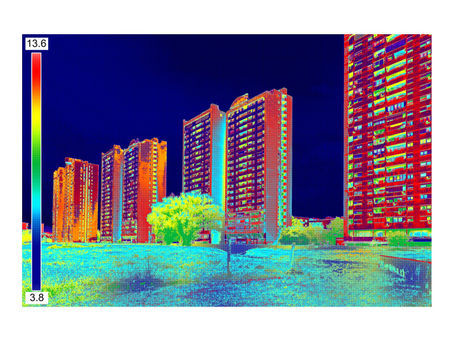
Qualified experts can conduct blower door tests, thermal imaging, and other
diagnostics to identify specific areas where your home can benefit from air tightness
improvements. These assessments often lead to tailored recommendations for
sealing and insulation measures.
Conclusion:
Air tightness is not just a buzzword in residential construction; it’s a fundamental element of creating comfortable, energy - efficient, and sustainable homes in Ireland. Achieving air tightness involves a combination of sealing gaps, selecting the right insulation materials, choosing high - quality doors and windows, embracing controlled ventilation systems, and seeking professional guidance when needed.
By enhancing air tightness in your residential house, you’re not only investing in your family’s comfort and well-being but also contributing to Ireland’s sustainability goals by reducing energy consumption and carbon emissions.
In an era where environmental responsibility and energy efficiency are paramount, air tightness is a valuable tool for homeowners looking to enjoy the benefits of a more efficient and eco-conscious lifestyle. So, as you cozy up in your well-insulated home, enjoying consistent temperatures and lower energy bills, remember that your commitment to air tightness is not just about your own comfort; it’s a step towards a more sustainable and resilient future for us all.

Comments